
7 Alternatives to the Great Barrier Reef
Australia’s oceans are often seen through a single lens: the Great Barrier Reef. For many of our guests, it’s the first image that surfaces when they picture Australian waters. Yet for travellers who have already experienced the classic Great Barrier Reef tours, or who seek more space, depth and authenticity, there is a wider moana (ocean) to explore. From whale sharks on the Ningaloo Coast to towering kelp forests in the south, some of Australia’s most remarkable ocean escapes are quietly kept secrets.
At Tāpoi Travel, we design journeys guided by manaakitanga (care for people) and kaitiakitanga (guardianship of the land and sea). The seven luxury alternatives and additions to traditional Great Barrier Reef snorkelling vacations we share below are for those who travel thoughtfully, explore deeply, and want their time in nature to leave a positive imprint.
Rethinking “Iconic” Australia
For decades, Australia’s marine tourism has tended to focus on coral pontoons and day boats out of Cairns or Airlie Beach. Those experiences still have a place, especially for first time visitors. Yet the country sits within a ring of fascinating marine worlds: tropical fringing reefs, temperate kelp forests, historic wrecks and tightly protected islands.
In the north, coral begins only a few strokes from shore. In the south, the Great Southern Reef carries forests of golden and giant kelp along thousands of kilometres of coastline. Out on remote islands, guest numbers are capped to protect fragile ecosystems. At Tāpoi Travel, these places speak to a different definition of luxury: time, stillness and a genuine relationship with local hosts.
Looking beyond the Great Barrier Reef doesn’t mean missing out on it. It simply widens your options, especially if you have already spent a day on a Great Barrier Reef cruise, or shared a platform with hundreds of other snorkelers.
Ningaloo Reef, Western Australia
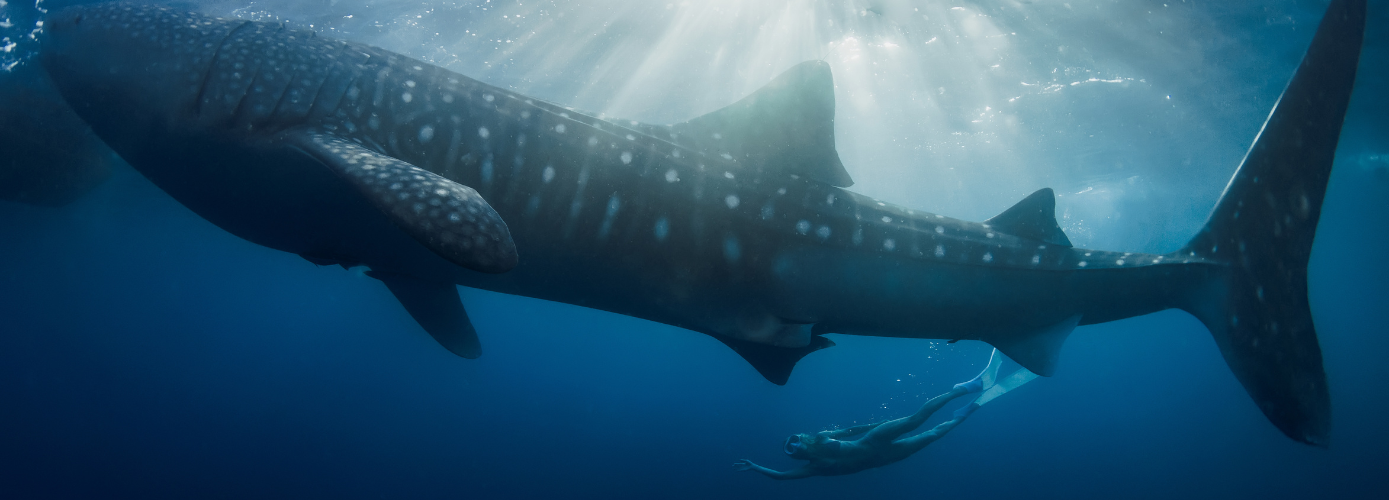
On the Ningaloo Coast, the reef begins at the beach. In many bays, you wade in from the sand, lower your face into the water, and find yourself floating above coral bommies alive with reef fish and rays. Unlike many Great Barrier Reef tours that require long boat rides, Ningaloo Reef feels immediate and intimate.
Ningaloo Marine Park is a UNESCO World Heritage Site, and Australia's largest fringing coral reef, stretching approximately 260 kilometers (160 miles) along the coast of Western Australia. This is also one of the few places on earth where whale sharks gather reliably in large numbers. More than two hundred individual whale sharks have been identified here, with many returning year after year. During the main season, from about March to October, you can join carefully managed Ningaloo Reef whale shark excursions, supported by spotter planes and strict codes of conduct. Later in the season, awe inspiring humpback whales move through these same channels.
For Tāpoi guests, the experience is elevated by where you rest your head. At eco–camps such as Sal Salis, safari tents sit lightly on low dunes above the reef. Days are shaped around the tides: guided snorkel tours, walks in Cape Range National Park, unhurried dinners under skies dense with stars. This feels more like being welcomed into an outdoor campfire circle than a resort complex. Compared with many large-scale Great Barrier Reef snorkelling operations, Ningaloo offers a stronger sense of wilderness and a quieter rhythm on the water.
Lord Howe Island, New South Wales
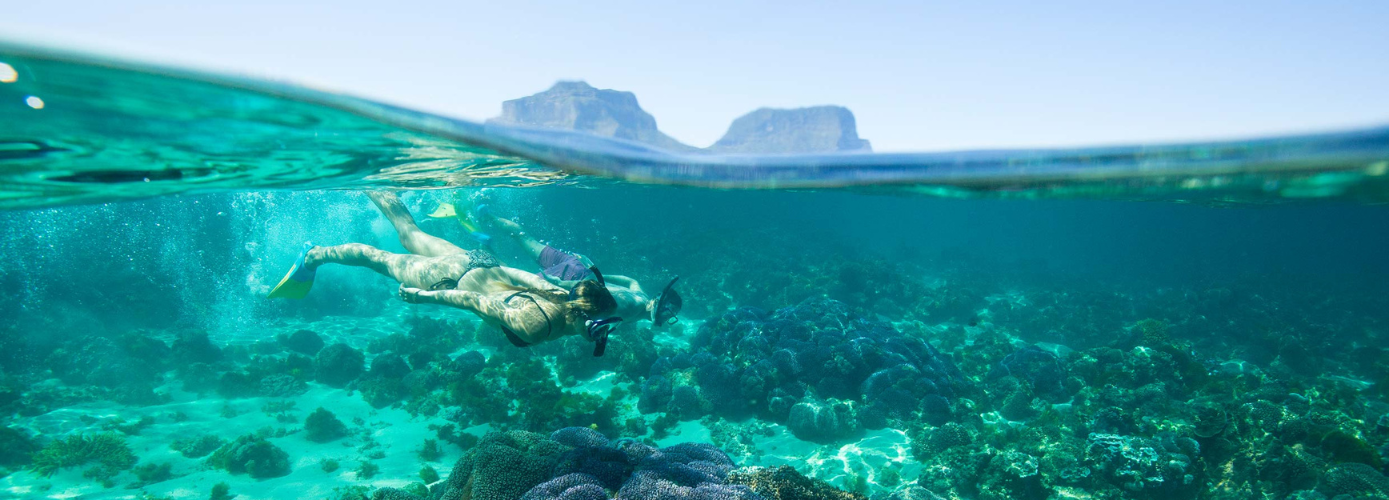
Far off the coast of New South Wales, the paradise of Lord Howe Island curves around a blue lagoon and one of the world’s most southern coral reef systems. What makes this UNESCO World Heritage listed truly special is not only the incredible environment, but a community decision to protect it. Visitor numbers are capped at around 400 people at any one time, tied to a limit on the number of guest beds available. That simple limit shapes everything that follows.
With no large resorts or cruise terminals, days unfold at a human pace. Lord Howe Island diving and snorkelling takes place from small boats on reefs that rarely feel crowded. Coral gardens, drop-offs and volcanic pinnacles lie within short reach, yet there is often no other vessel in sight. On land, just a handful of lodges and rainforest guesthouses host guests who frequently return, building long term relationships with local whānau.
For travellers used to big–boat Great Barrier Reef tours, the difference of Lord Howe Island is striking. Here, you are likely to see the same faces on the walking track, at dinner and on your dive. That repetition builds connection. This aligns closely with our value of manaakitanga; taking time to know your hosts and surroundings, rather than simply passing through.
Lady Elliot Island, Southern Great Barrier Reef
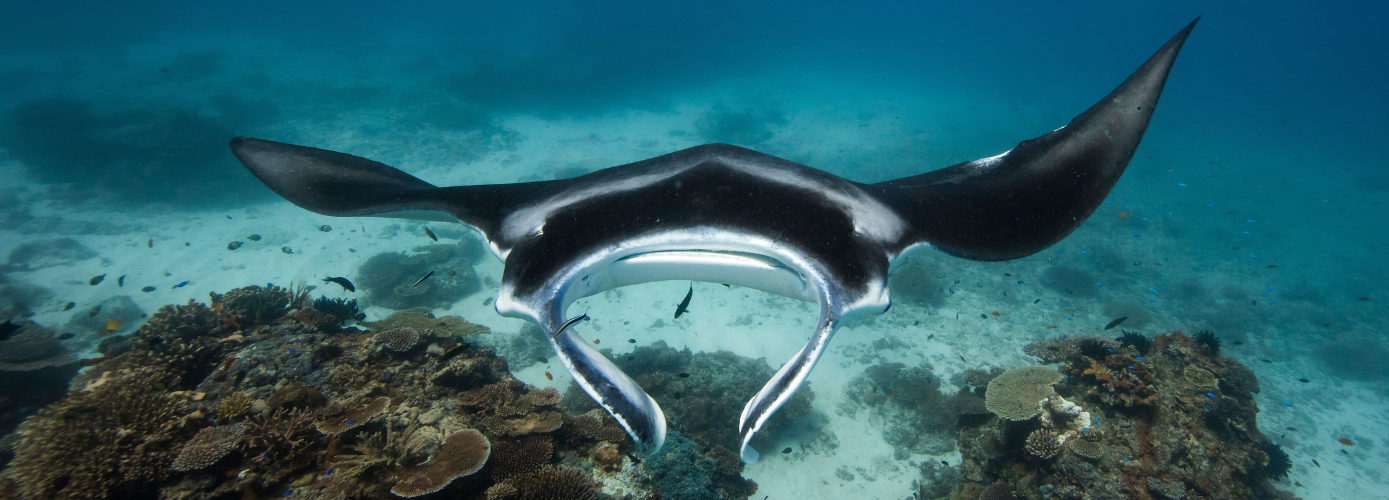
For those who still want a Great Barrier Reef experience, yet hope to avoid the busiest sites, Lady Elliot Island sits in a sweet spot. At the southern tip of the reef, this small coral cay is surrounded by shallow lagoons and drop offs known for clear water, healthy coral, and abundant wildlife including sea turtles and manta rays.
Lady Elliot Island snorkelling is remarkably accessible. You can walk from your room, follow a short path, and be in the water within minutes. Several signature sites start right from the sand, while glass–bottom boats and guided tours support different comfort and accessibility levels. The island’s eco resort runs on renewable energy and low impact systems to help safeguard the very reef guests come to see.
Compared with large platforms and high capacity boat tours, Lady Elliot feels contained and personal. We recommend it for travellers who value exploring the coral reef itself, yet prefer to pair that experience with an island stay, quiet evenings and a stronger sense of place.
The Great Southern Reef
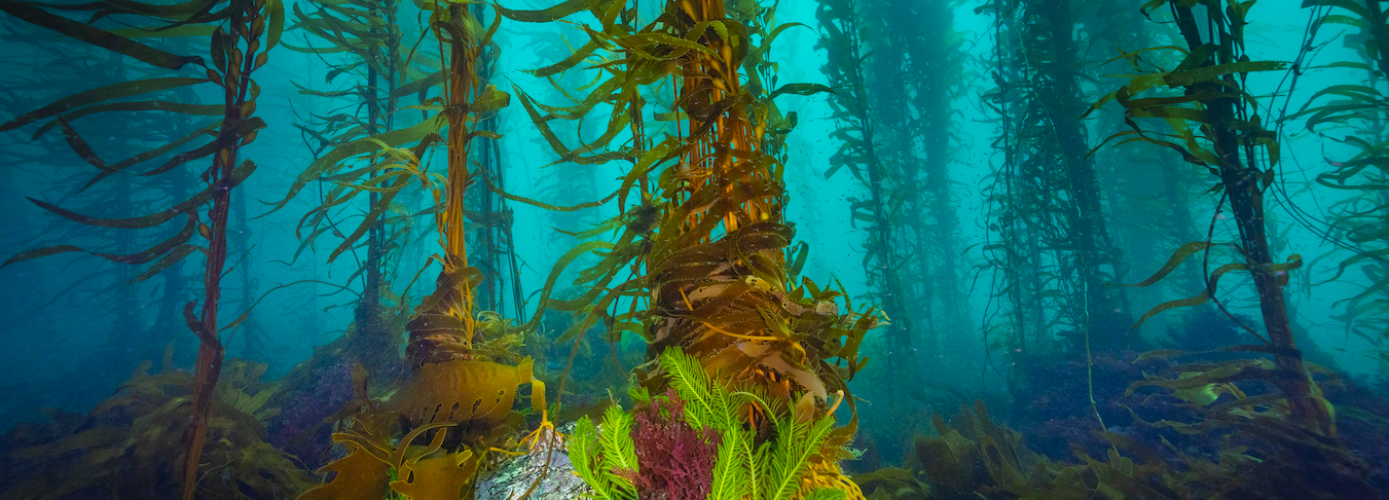
Travel south to Tasmania and the cooler mainland states, and the seascape shifts again. Here, the Great Southern Reef links a chain of temperate rocky reefs from New South Wales around to Western Australia. Instead of coral gardens, you glide through golden and giant kelp forests that rise like pillars from the seafloor.
Scuba diving or snorkelling among these giant kelp forests of the Great Southern Reef feels more like entering a cathedral than a garden. Light filters through fronds that sway in the surge, tropical fish weave between towering stalks, and in some locations, restoration projects are working to support threatened kelp beds. A growing number of local operators are sharing these stories with guests who come not just to see, but to understand.
For Tāpoi, this environment speaks to travellers drawn to nuance. You trade warm water for thicker wetsuits, yet gain an experience that far fewer people will ever know. It sits naturally alongside stays at coastal lodges, cool–climate vineyards and slow food experiences that suit a more reflective pace.
SS Yongala wreck, Queensland
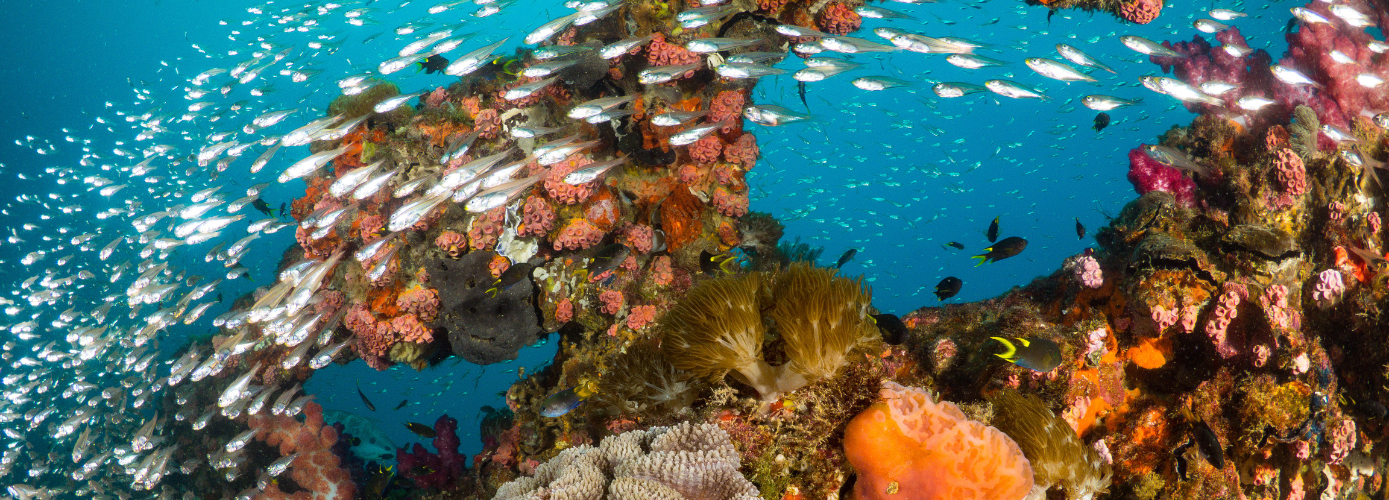
Not all reef life begins on rock. Off the coast near Townsville lies the SS Yongala, a passenger ship that sank in 1911. Over more than a century underwater, the hull has become a vertical reef built on history, wrapped in coral and sponges, surrounded by dense marine life.
Dives at the SS Yongala wreck are often described as some of the most powerful in tropical Australia. The site lies in open water with currents and depth that keep it in the realm of experienced divers rather than beginners. Turtles, sea snakes, schooling trevally and marble rays are regular visitors. For guests who have already tried introductory Great Barrier Reef snorkelling or gentle dives on sheltered bommies, this is a natural progression.
From a Tāpoi perspective, the value lies in intention. Private charters and carefully planned days allow advanced divers to focus on this single, rich site, then return to a comfortable base on shore. It suits travellers who care as much about the story held within a place as the photographs they will bring home.
Frankland Islands and Fitzroy Island
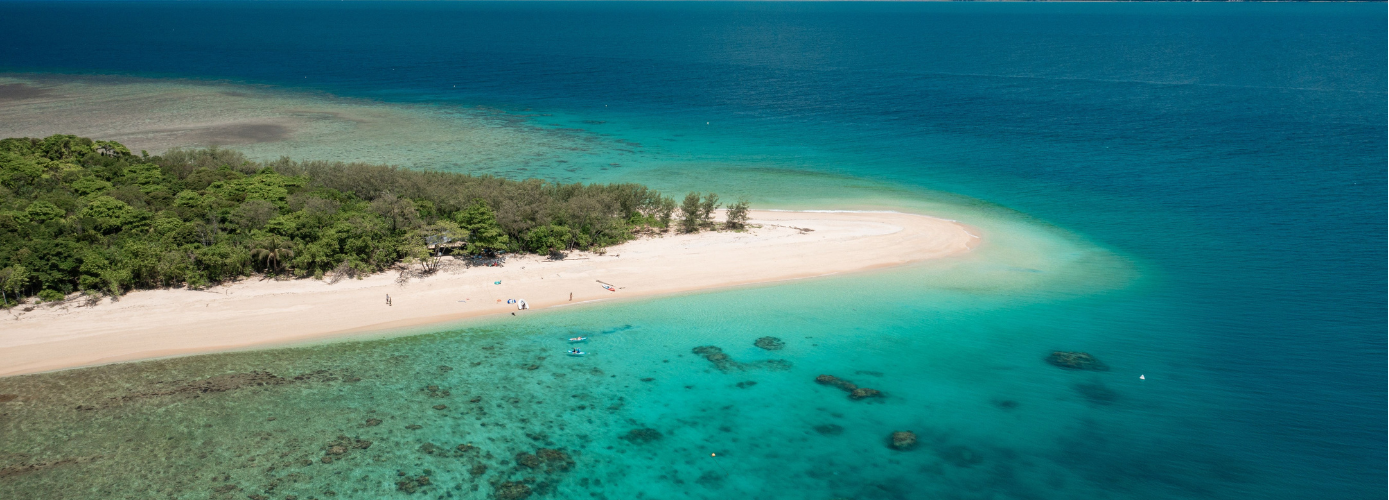
Closer to Cairns, there are still ways to connect with the reef at a more human scale. The Frankland Islands sit to the south, reached by a mix of coach and boat through coastal or river channels. Many departures keep numbers low, and the islands sit within a national park, which brings a layer of protection.
Snorkel tours, guided beach walks and time to relax on shore help guests move beyond a simple “in and out” of the water. Fitzroy Island reef offers something similar, with the option to stay overnight, walk to viewpoints, and move between swimming, hiking and time by the pool.
These experiences often form a bridge for Tāpoi travellers. They still engage with the Great Barrier Reef, yet in a way that feels less hurried. For families, it spreads activity throughout the day. For couples and small groups, the smaller scale and softer rhythm of these destinations offers gentle transition into or after more remote stays such as Ningaloo or Lord Howe.
Choosing Your Beyond-the-Reef Journey
With so many possibilities, it helps to begin with your own story. If close–up encounters with large animals appeal, Ningaloo Reef whale sharks and seasonal humpback swims will likely sit near the top of your list. If you prefer long walks, short snorkels and close ties to a resident community, Lord Howe Island or Lady Elliot Island may feel right. If you are drawn to moody seascapes, wine and hiking, the giant kelp forests of the Great Southern Reef pair well with Tasmania’s coastal stays. Advanced divers with a taste for history will naturally consider SS Yongala wreck dives.
Seasonality matters too. Whale shark migration, manta ray months and visibility in southern waters all influence timing. At Tāpoi, we weave these threads together, balancing logistics with space to breathe so that your journey honours both the places you visit and your own pace.
A Wider Map, Guided by Kaitiakitanga
The Great Barrier Reef will always hold a special place in Australia’s story. For many manuhiri (travellers), it deserves a place in their own travel narrative as well. Yet it is only one chapter. Ningaloo Reef, Lord Howe Island, Lady Elliot Island, the Great Southern Reef, SS Yongala and smaller island groups such as the Frankland Islands and Fitzroy Island each offer their own stories.
The question becomes less “should I see the reef?” and more “what kind of relationship do I want with these oceans?” If you feel ready to move beyond the obvious, to travel with intention and with care, Tāpoi Travel is here to help shape that path. Together, we can design a journey that connects you with the people, stories and coastlines Australians quietly treasure, while upholding the values of manaakitanga and kaitiakitanga that sit at the heart of how we host.
%20_%20Tapoi%20Travel.png)

Explore Further
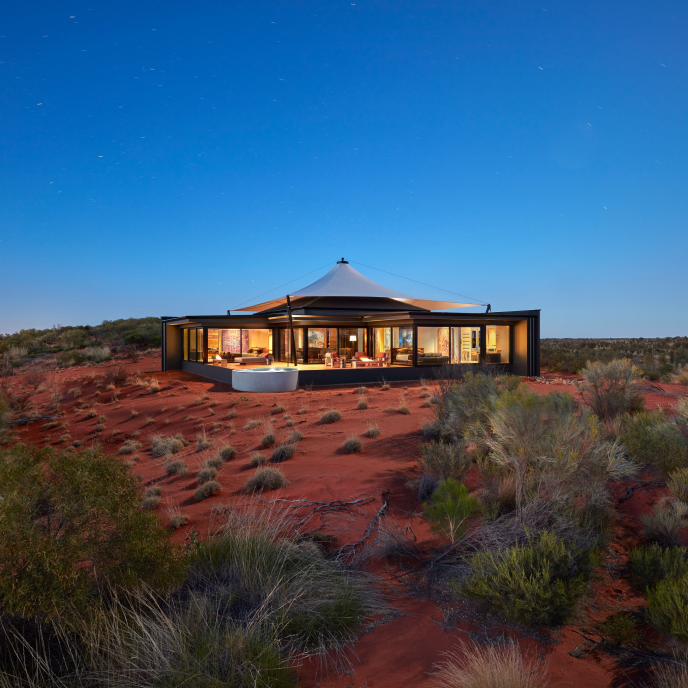
Australia Accommodation
Explore an inspiring array of accommodations, encompassing exclusive...
Australia Experiences
Embrace the spirit of Australia through adventure excursions and cul...