
New Zealand Stargazing: A Luxury Guide to Aotearoa’s Dark Skies
In Aotearoa New Zealand, stargazing is more than another evening activity. It’s an awe-inspiring encounter with whakapapa, with land and sea, with mountains and the stars that guided our tūpuna across the Pacific. From a remote beach, a luxury lodge terrace, or an alpine observatory, the night sky can become one of the most astounding parts of your journey.
New Zealand is one of the world’s leading destinations for astro-tourism. Our isolated geography, low population density, and strong commitment to reducing light pollution have created some of the clearest and darkest skies on earth. Several regions are officially recognised by Dark Sky International, making New Zealand an exceptional place to experience the Milky Way in full view. Lonely Planet has also recognised Wairarapa’s stargazing, food, and wine scene as one of the Top 25 Experiences in the world, placing it alongside some of the country’s most celebrated stargazing regions.
At Tāpoi Travel, we design journeys shaped by (kindness and hospitality), kaitiakitanga (gaurdianship), and deep cultural context. We help our guests discover the best time, the best places, and the most personalised ways to experience the night sky across both the North and South Islands.
Understanding Dark Sky Reserves
Dark Sky Reserves are places where artificial light is carefully managed so the night sky can be seen in its natural state, protecting it public enjoyment and scientific value. This matters for astronomy, wildlife, and cultural heritage: darkness supports seabirds, insects, human rhythms, and traditions such as māori astronomy.
Compared with city skies in the United States, the United Kingdom, or Europe, New Zealand’s rural skies can feel extraordinary. The Milky Way appears with striking clarity, and the Southern Cross constellation becomes easy to pick out. For many travellers, this is the first time they have seen the night sky without the glow of urban light in the background.
New Zealand’s best-known dark sky regions include Aoraki Mackenzie, Great Barrier Island, Wairarapa, Stewart Island/Rakiura, and Kaikōura. Each offers a different experience, from alpine silence to coastal stillness.
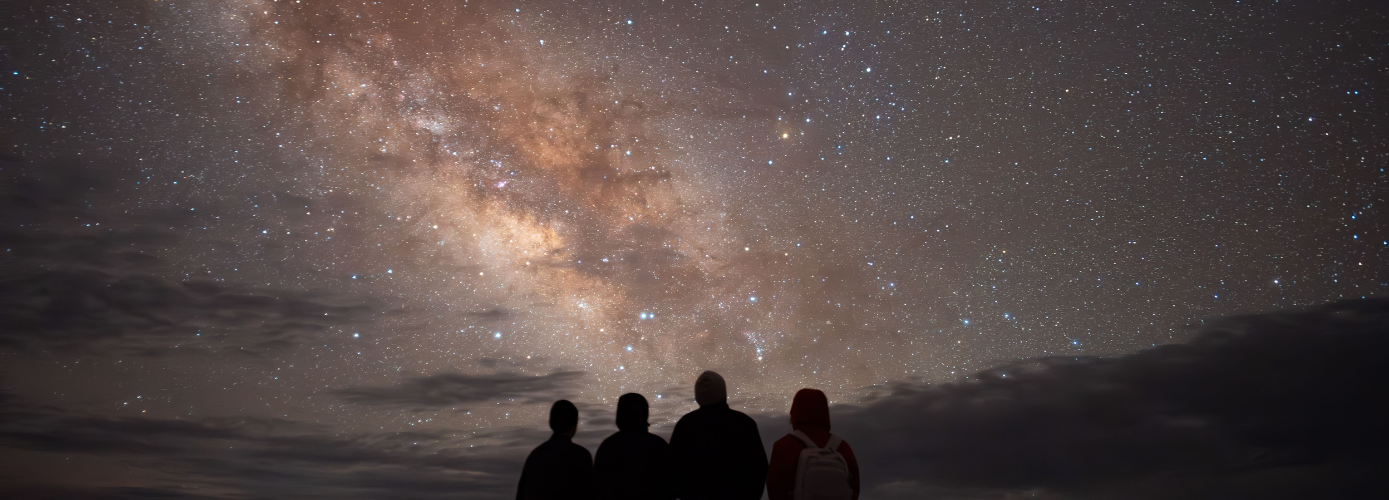
South Island Stargazing: The Aoraki Mackenzie International Dark Sky Reserve, Lake Tekapo & Kaikōura
The South Island holds some of New Zealand’s most celebrated dark sky landscapes. The Aoraki Mackenzie International Dark Sky Reserve stretches across more than 4,300 square kilometres, including Aoraki / Mount Cook National Park, Lake Tekapo, and Lake Pukaki. Its wide-open vistas are widely regarded as one of the best stargazing destinations on earth.
Here, altitude, dry air, and minimal light pollution combine to create exceptional viewing conditions. Strict lighting controls help protect the darkness, especially around Lake Tekapo, where sky quality is actively preserved through local laws and community effort- earning Mackenzie Dark Sky Reserve its global status.
Lake Tekapo and Lake Pukaki are both ideal for stargazing, while the Church of the Good Shepherd remains an iconic subject for astrophotography. However, Our Tāpoi guests often prefer quieter access. That could mean a private viewpoint, stargazing from an exclusive accommodation, or a ridgeline away from busier viewing areas.
The Dark Sky Project in Tekapo offers guided astronomy experiences, while Mt John Observatory provides expert interpretation, telescopes, and a deeper understanding of the southern sky. Depending on your itinerary, Tāpoi can arrange private observatory access, chef-prepared dinners under the stars, lakeside hot pools, or helicopter access to remote ridgelines, weather permitting.
Winter is especially compelling in the Mackenzie region. The air is crisp, the nights are long, and the skies are often at their clearest. Summer evenings feel gentler, although the darker hours begin later.
Further south, Kaikōura offers another strong dark-sky experience. Its combination of coast, mountains, and low light pollution creates an atmospheric setting for stargazing, while its Dark Sky Sanctuary status reflects the region’s commitment to protecting both the sky and local seabird life.
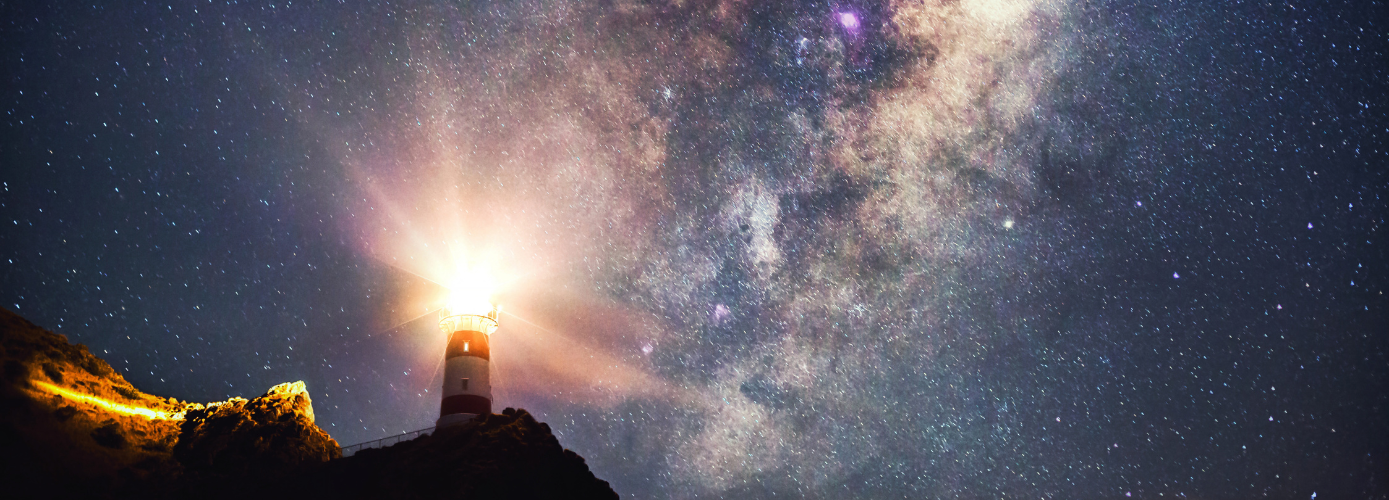
North Island Dark Skies: Wairarapa, Great Barrier Island
World-class stargazing is not limited to the South Island. The North Island offers equally rewarding experiences, with easier access from Auckland and Wellington and the added appeal of culinary tourism, beaches, and coastal landscapes.
Wairarapa is one of the North Island’s standout dark sky regions. Martinborough sits at the heart of the area’s stargazing, wine, and food offering, making it a natural fit for luxury travel. We recommend pairing an evening under the stars with a private vineyard dinner, local kai (food), or curated tasting experiences. The region’s recognition by Lonely Planet reflects what many travellers discover for themselves: the landscape, hospitality, and sky work beautifully together.
Great Barrier Island is another strong choice. Recognised as a Dark Sky Sanctuary, it offers the feeling of being far from everything while remaining within reach of Auckland. Its dark sky sanctuary status reflects an off-grid lifestyle, no traffic lights, and a community-wide commitment to keeping the island dark. For luxury travellers, that creates a rare sense of calm.
A Great Barrier Island stargazing journey can include architect-designed eco-villas, private boat or air transfers, guided night walks with local storytelling, and beach or wildlife experiences followed by astronomy after dark.
Rural Hawke’s Bay, the Central Plateau, and selected west coast beaches can also work well when the itinerary flow allows.
The best time to Stargaze in New Zealand
The best time for stargazing in New Zealand is usually from May to September. Autumn and winter bring longer nights, clearer air, and excellent visibility. The bright galactic core of the Milky Way is positioned directly overhead in winter months, creating especially strong viewing conditions.
That said, stargazing is possible year-round. Spring and summer can still be rewarding, particularly for travellers who prefer warmer evenings and later starts. In summer true night arrives later, so your stargazing experience may begin after 10pm.
A few planning points can make a significant difference to your stargazing vacation:
- Aim for the new moon, or within a few days of it, for the darkest sky.
- Avoid full moon nights if your goal is to see the Milky Way clearly.
- Allow flexibility in your itinerary, since weather can change quickly.
- Choose the season that suits the wider rhythm of your trip, not just the sky.
A special time for stargazing is during Matariki, the Māori New Year. Matariki usually falls between late May and early July, coinciding with the rise of the Pleiades cluster and adding another layer of significance to your experience.
New Zealand is also one of the few places where the Southern Lights, or Aurora Australis, can sometimes be seen. Stewart Island/Rakiura is one of the best places to look, especially during the winter months when nights are longest. Auroras often appear as faint beams of light to the naked eye, with more vivid colours captured in long-exposure photographs.
Luxury Stargazing Experiences with Tāpoi Travel
At Tāpoi Travel, we see stargazing as part of a wider journey, not as a standalone activity. It pairs naturally to the rest of Aotearoa: mountains, oceans and lakes, unique stays, food, wine, and story. The right evening under the stars can become the thread that ties an entire trip together.
We design private and small-group journeys with careful attention to accommodation, guiding, pacing, and cultural integrity. That means choosing places that let the sky shine, while ensuring the rest of the experience feels seamless and considered.
Here are a few itinerary ideas that reflect the range of possibilities:
- An Aoraki Mackenzie retreat with glass-roofed suites, private observatory access, and heli-picnics beside glacial lakes.
- A Wairarapa escape combining vineyard dining, stargazing, and a relaxed day among cellar doors.
- A Great Barrier Island digital-detox with a private villa, an island chef, and night-sky storytelling.
- A Stewart Island/Rakiura extension for travellers hoping to catch the Southern Lights.
- A family-friendly astronomy journey with planets, telescope viewing, and stories that bring the night sky to life.
We can also create superyacht evenings under the stars, wellness-led experiences with spa rituals, or private astronomy nights for couples and small groups. Our partners are selected for their hospitality, and care for land, community, and sky.
Practical Tips for an Effortless Night-sky Experience
The most memorable stargazing experiences feel relaxed, not complicated. Tāpoi Travel manages the logistics so you can focus on the experience itself.
A few simple considerations help make the evening comfortable:
- Dress in warm layers (even in summer), especially in alpine areas.
- Bring gloves and a hat if you will be outside for a while.
- Allow 20 to 30 minutes for your eyes to adjust to the dark.
- Use a red torch rather than bright white light to protect your night vision.
- Bring binoculars or a camera if you would like, though expert guides can provide telescope access.
- Choose a private vehicle or chauffeured transfer so the evening feels seamless.
- Keep some flexibility in case weather shifts and a backup session is needed.
Small touches matter. Heated seating, blankets, and hot drinks can turn a chilly evening into one that feels cosy and luxurious. If the weather does not cooperate, we can often arrange storytelling, indoor astronomy, or a rescheduled session where possible.
Planning Your New Zealand Stargazing Journey
Stargazing belongs in a luxury New Zealand itinerary because it brings together so much of what makes our country distinctive. It is about stars, yes, but also about story, stillness, and the privilege of standing under a protected sky. For some travellers, it's the reason to come south. For others, the thread uniting a journey from island coast to alpine lake.
If you are travelling from the United States, United Kingdom, or Europe, it’s worth weaving stargazing into a broader New Zealand itinerary. Your journey might include Wairarapa vineyards, Mackenzie mountains, a Great Barrier Island retreat, or perhaps Stewart Island/Rakiura for a chance of aurora viewing.
We’ll handle the details, from ideal dates and new moon timing to personally chosen private guides, so you can feel fully present beneath the wild night sky. When you are ready, contact us to begin designing a tailor-made New Zealand stargazing vacation beneath Aotearoa’s unforgettable southern skies.
%20_%20Tapoi%20Travel.png)

Explore Further
New Zealand Accommodation
Explore an inspiring array of accommodations, encompassing exclusive...
New Zealand Experiences
New Zealand rewards the curious with an abundance of thrilling adven...